
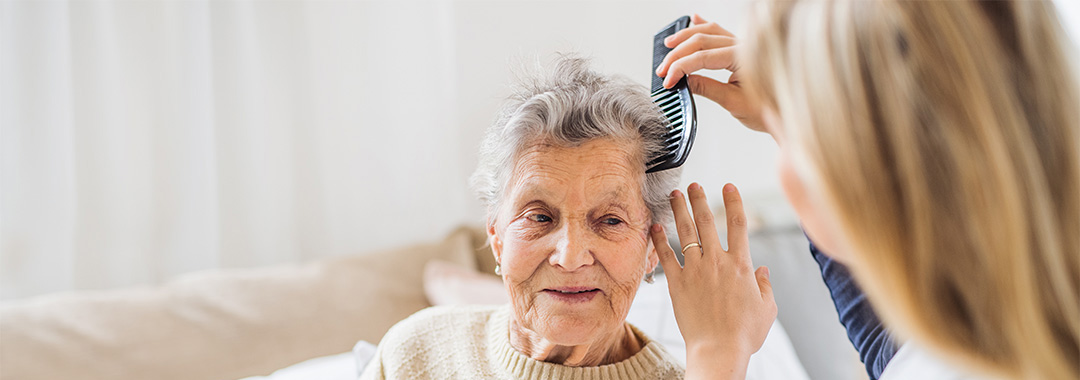
There is something comforting about being at home.
Home is familiar. It is where your favorite chair is, where your routines live, where your coffee tastes right, and where you know exactly how the light comes through the window in the afternoon. When someone is recovering from an illness, injury, surgery, or other health challenge, that comfort can matter more than people realize.
Recovery is hard enough on its own. Trying to heal while also feeling out of place can make it even harder.
That is one of the reasons home health care can be so valuable. It allows people to receive professional support while remaining in the place that feels most familiar to them. Instead of navigating recovery alone or feeling like they have to choose between safety and comfort, people can receive care at home while working toward healing, stability, and greater independence.
Healing Feels Different at Home
When someone has gone through a major health event, even everyday life can suddenly feel overwhelming.
Simple tasks may take more energy. Medication schedules can become complicated. Mobility may be more difficult than it was before. Appointments, wound care, strength, safety, and daily routines all start demanding attention at once.
That is a lot for one person or family to manage alone.
Home health care helps bridge that gap by bringing support into the home. Instead of asking someone to figure everything out while they are already exhausted, it provides an extra layer of guidance and care during a time that can feel physically and emotionally heavy.
There is also something important about healing in a familiar environment. Being at home can help people feel more relaxed, more comfortable, and more like themselves. That matters when recovery already feels uncertain.
Support with the Details of Daily Recovery
One of the biggest benefits of home health care is that it can help with the day-to-day details that often become difficult after a health setback.
That may include medication management, monitoring symptoms, wound care, mobility support, education for patients and families, and help following a care plan after a hospital stay or medical event. These are the things that can feel manageable on paper but overwhelming in real life when someone is tired, in pain, or trying to regain strength.
Having skilled support in the home can make those responsibilities feel less intimidating.
It can also help catch concerns early, answer questions, and provide reassurance when families are unsure what is normal and what might need medical attention.
Promoting Safety Without Giving Up Independence
A lot of people resist extra help because they worry it means losing independence.
In reality, the right support often helps people keep more of their independence, not less.
When someone is recovering at home, safety becomes a real concern. Falls, missed medications, poor nutrition, overexertion, and confusion about care instructions can all get in the way of healing. Home health care helps reduce some of those risks while still allowing people to stay in their own environment and participate in their own routines.
The goal is not to take over a person’s life.
The goal is to support them in the areas where they need help so they can keep doing as much as possible for themselves.
Sometimes that support is what makes it possible for someone to remain at home instead of feeling like they have to leave it.
Relief for Family Caregivers
Home health care does not just support the person receiving services. It can also provide relief for family members who are trying to help.
When someone you love is recovering, it is easy to feel like you need to do everything. Keep track of medications, watch for changes, help with mobility, make meals, coordinate appointments, and somehow still manage your own responsibilities too.
That is a heavy load.
Having professional support in the home can ease some of that pressure. It gives families another set of eyes, another source of guidance, and another layer of care. It can also help family members feel more confident about what their loved one needs and how best to support them.
Recovery is More Than Just Medical
Healing is not only about lab results, appointments, or medication schedules.
It is also about being able to rest in your own bed. It is about feeling calm enough to eat a meal. It is about having the support to take a shower safely, make it to the living room, or sit outside for a little while and feel like yourself again.
Those moments matter.
Home health care can help make those moments possible by supporting both the clinical and personal sides of recovery. It recognizes that healing happens in real life, not just in doctors’ offices and hospital rooms.
Staying Home with the Right Support
For many people, home is where they feel safest, most comfortable, and most like themselves. During recovery, that sense of familiarity can be incredibly meaningful.
Home health care helps make it possible for people to heal in that environment while still receiving the support they need. It can ease the burden of recovery, promote safety, encourage independence, and provide families with valuable peace of mind.
When someone is facing a health challenge, comfort and care should not have to be separate things.
With the right support, home can be one of the best places to heal.